
China focus
Hong Kong Is for Dessert People
Hong Kong Is for Dessert People — a China-focused city or travel guide. Read the notes, then place it in a day-by-day China route with the timing worked out.
What makes it worth the detour
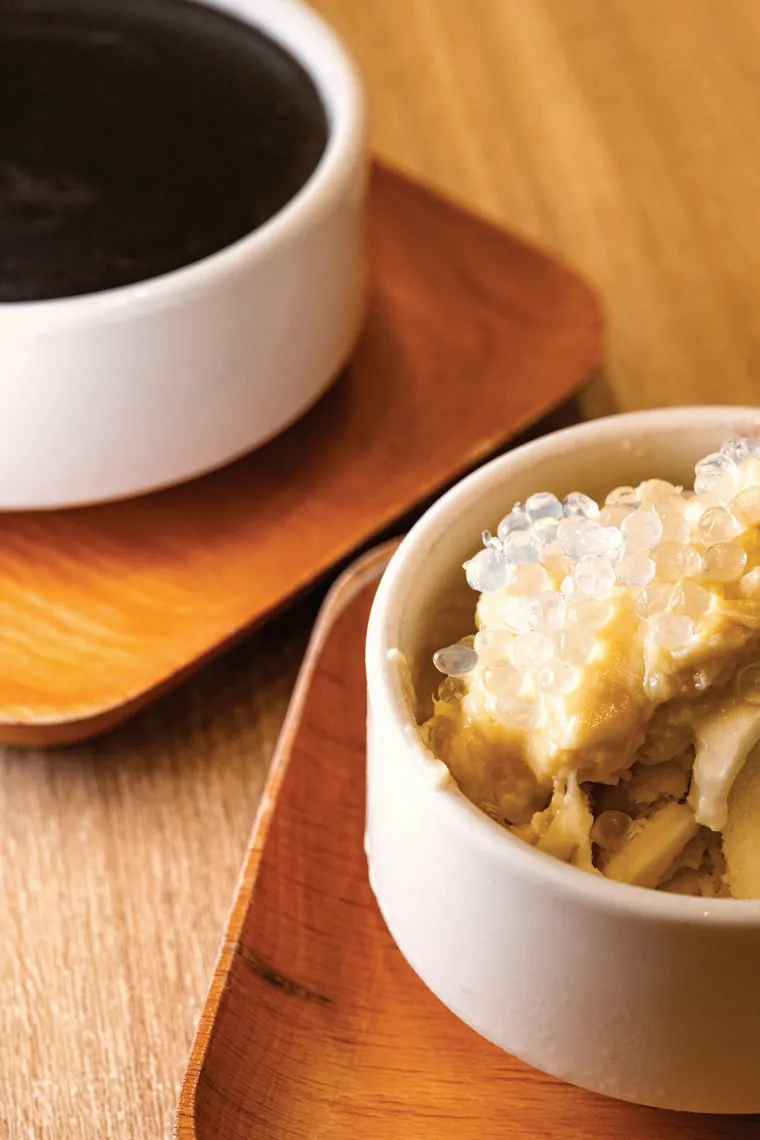
This story is part of our collection of food cities worth the trip. As the line inches forward at the tiny, fluorescent-lit C Dessert, its dozens of tong sui (literally, "sugar water") offerings loom on the paper menu I'm holding, producing a minor crisis of choice. Do I go with the black sesame soup, a sweet, velvety classic and an old favorite of mine? Or should I try the durian custard number, a creamy, contemporary creation I haven't had before? It's the kind of tension that characterizes a night out in Hong Kong — the classic and the modern, the homegrown and the imported, all of it converging on a single menu. In most Chinese regional cuisines, sweet dishes occupy a minor place in everyday meals, which typically don't include dessert at all — at least not the sugary confections found in Western cultures. Yet in Hong Kong, traditional tong sui parlors sit alongside bakeries serving colonial-era creations such as egg tarts, cocktail buns, and sweet milk tea — echoes of the colonization and immigration that shaped the city. These treats softened my own childhood landing in Hong Kong when my family temporarily relocated here from California in the 2000s. Now, as Hong Kongers continue to examine their cultural identity, I've realized that sweets offer a window into the city's hybrid character. Chefs working to preserve Hong Kong's dessert culture often also reimagine it — but in this city, those two seemingly opposing impulses have always been intertwined.
The sweet dishes I loved best as a kid, and still seek out on every visit, fall into the massive tong sui canon, a roster of wobbly custards, silky soups, and chunky porridges popular in the Cantonese-speaking southern regions of China. According to classical medicinal practice, the fruit, legumes, and seeds in many tong sui concoctions help dissipate internal heat and dampness, countering the Pearl River Delta's humidity. For many Hong Kongers, eating tong sui is a social ritual, an excuse to linger a little longer after dinner in a night owl city. "It reminds me of childhood, spending time with my family," says Tony Leung, executive sous chef at Upper House Hong Kong's Salisterra. That nostalgia shines in Salisterra's cheesecake, which channels the flavors of red bean soup, while another tong sui made from bean curd skin and barley becomes a soy cream tart made with syrup-simmered barley.
How the days fit together
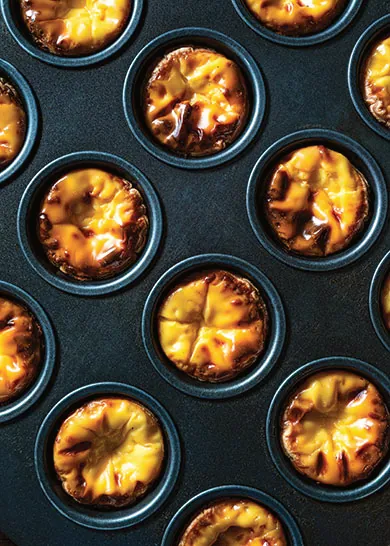
Then there's the egg tart, made from smooth custard encased in either a crumbly shortbread crust or a flaky pastry shell — another cha chaan teng standby. They became popular after Cantonese chefs drew inspiration from British custard tarts brought to southern China around the 1920s to produce a lighter, silkier iteration that's distinctly Hong Kong. Lately, the classic egg tarts I loved as a kid have gained contemporary cousins. At Bakehouse, Swiss chef Gr goire Michaud uses croissant dough to give his shells an extra-crisp, buttery quality. At Hashtag B, another craft pastry chain, tarts come in a flower-shaped shell with unconventional fillings such as pistachio and coffee caramel. "Part of our mission is to keep that traditional root while giving it creativity and surprise," says James Chu, Hashtag B's founder. Lai notes that he's observed spirited debate about whether contemporary egg tart takes can be called Hong Kong cuisine — a question he considers more interesting than resolvable, and one the city has been answering in its own way for decades. When my turn came to order at C Dessert, I went for the black sesame soup and the durian custard — the classic and the modern. As usual, Hong Kong was revealing its different sides, so who was I to argue?
A note on pacing. Hong Kong Is for Dessert People reads as a single idea, but on the ground it usually takes a slow half day plus the travel either side of it. We build China itineraries day by day, which means the transfer, the meal and the unplanned hour are all written into the plan before anyone reaches the airport. Send your dates and we will set the sequence around what is actually open that week.
Where to pause and eat
If Hong Kong Is for Dessert People is the reason you are coming, say so at the start. It changes the route: the city order, the number of nights in each place and whether a high-speed train or a private car makes more sense. Our day-by-day plans put the transport beside the activity, so the timing is resolved before the booking rather than improvised on arrival.
One last planning point for Hong Kong Is for Dessert People: hotels in China are not interchangeable, even within the same district. A property near the right station or riverfront can remove two transfers a day. We work from verified rates and confirmed benefits, then place the stay where it shortens the route rather than simply where the photograph looks best.
In pictures
Scenes from the story
A visual companion to the notes above, kept in the same warm grade as the rest of the site.

Questions
Planning notes for Hong Kong Is for Dessert People
Short answers to the practical questions that come up when this subject turns into a real itinerary.
When should I plan Hong Kong Is for Dessert People into a China trip?
Send your dates; for Hong Kong Is for Dessert People we sequence stops around autumn light, rail timetables and opening hours.
How many days does Hong Kong Is for Dessert People need?
Usually one unhurried half day plus transfers. We write that into the day plan rather than stacking stops.
Can Hong Kong Is for Dessert People be combined with other cities?
Yes. We pair it with a nearby hub on the same corridor so the route keeps a logical order.
Do you confirm hotels near Hong Kong Is for Dessert People?
We work from verified rates and confirmed benefits, then place the stay where it shortens the daily transfers.
Keep planning
Where this fits in a China route
Related destinations, routes and reading, drawn from the site rather than from an external catalogue.
Plan the trip
We will put the days in order.
Send your dates and the places above that matter to you. The first plan comes back with timings, hotels and the transport already resolved.