
China focus
City Guide: Shanghai
City Guide: Shanghai — a China-focused city or travel guide. Read the notes, then place it in a day-by-day China route with the timing worked out.
The setting
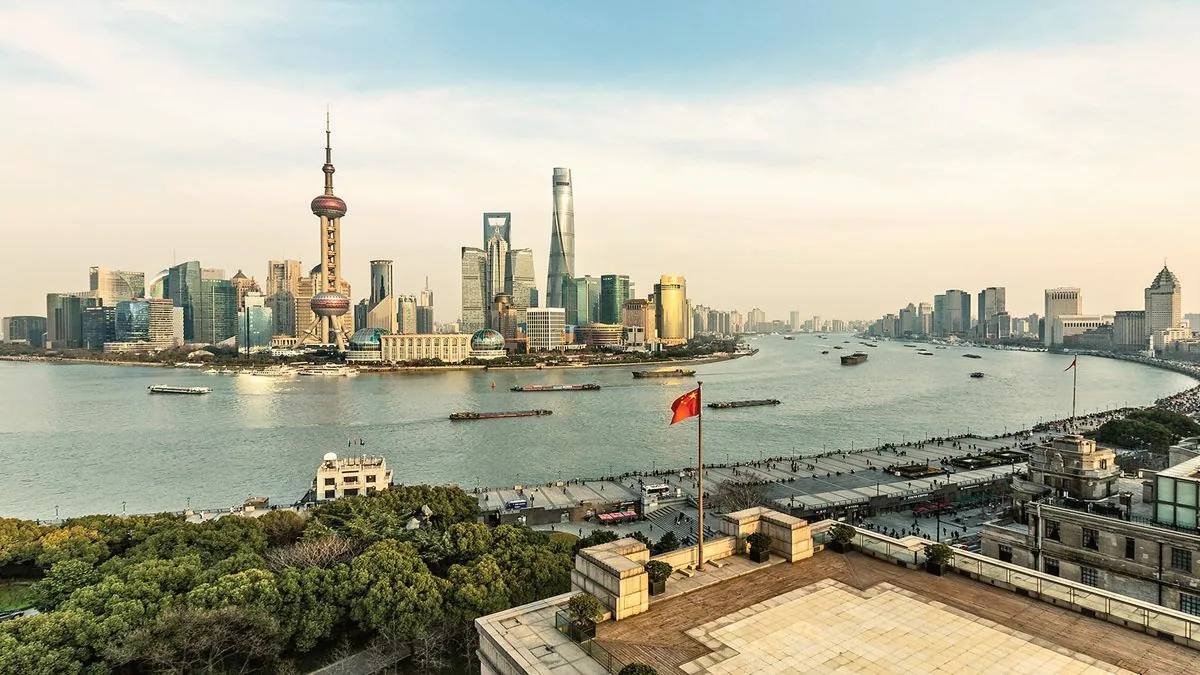
Shanghai is the proverbial head of China's dragon, roaring and massive. With a population that tops 24 million, China's largest cosmopolis rivals any other. The city's mutable spirit is reflected in ancient temples, the colonial architecture of the Bund and the former French Concession, futuristic skyscrapers in Pudong, and a vibrant art scene that has blossomed in abandoned buildings and manufacturing wastelands. A once-industrial strip of the Huangpu River has been transformed into the Shanghai Corniche, a waterfront park and promenade stretching to the Bund, and the West Bund Culture Corridor.
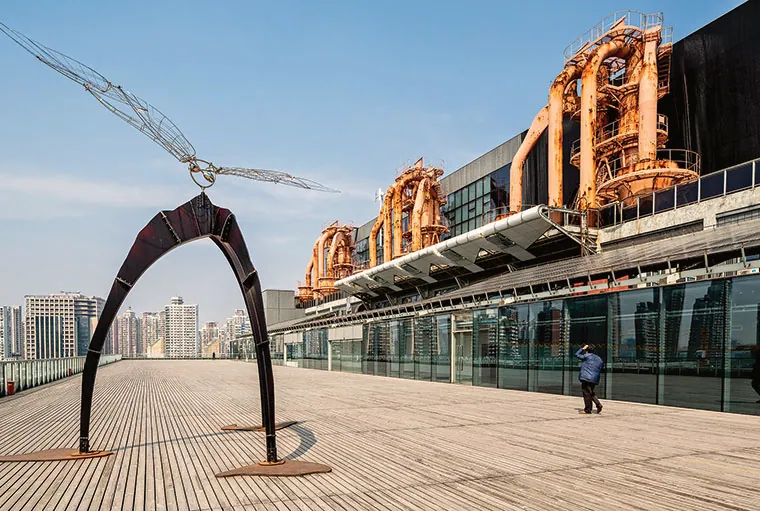
There, the Long Museum showcases part of China's largest private art collection in a facility built around a revamped coal hopper (it attracts a constant stream of selfie-taking influencers), while the Yuz Museum, founded by another billionaire collector, occupies an airplane hangar. The Power Station of Art, China's first state-run contemporary art museum, is housed in a decommissioned power plant (where Shanghai's most recent biennale took place). And opening in 2019 are the Centre Pompidou Shanghai, in the West Bund Art Museum, and Tank Shanghai, an arts-and-recreation complex that incorporates giant repurposed oil tanks.
What makes it worth the detour
Drink Have a cocktail with a view at Sir Elly's Terrace at The Peninsula Shanghai. From the 14th-floor rooftop bar, you can see the Bund's art deco sweep, the neon spread of Pudong across the Huangpu River, and most of Shanghai's almost 1,000 skyscrapers — from the twisty 128-story Shanghai Tower (the world's second tallest) to the bulbous Oriental Pearl Tower. In the former French Concession, the basement bar YY is a boho lounge accented with red velvet, wood paneling, and Mao posters, and steeped in stories of modern-day Shanghai and the laowai (expats) who have been coming here for the past two decades.
Eat No one should leave Shanghai without sampling the city's ubiquitous soup dumplings. Savor the steamed "XLB" ( xiao long bao ) version at more-than-a-century-old Nanxiang Mantou Dian, the pagoda-like (and most touristy) bao spot by scenic Yuyuan Garden. Local favorite Yang's Fry-Dumpling serves them fried ( sheng jian bao ) in an upscale mall in the trendy Jing'an district. Pro tip: Hold the broth-filled bao (bun) with chopsticks over a wide Chinese spoon, nibble a hole in its side, and slurp the goodness from within. For an upscale experience, go luxe just off the Bund at Bao Li Xuan in the new Bulgari Hotel Shanghai, where the dim sum dumplings are steamed, fried, or baked.
How the days fit together
Shop City-block-size Tianzifang in the former French Concession is a maze of longtang (alleyways) and shikumen (traditional "stone gate" houses) lined with boutiques, galleries, restaurants, and street-snack vendors. Have your name engraved on a jade chop, pick up a vintage Buddhist singing bowl and mala beads, or buy a pair of Feiyue, the beloved Shanghainese sneakers created in the 1920s and used for martial arts practice (the name means "flying forward"). Wander the M50 art district, a network of galleries and studios amid artists' graffiti in a onetime textile mill by Suzhou Creek, just north of Jing'an. ShanghART, a pioneer in the Shanghai contemporary art landscape, showcases big-name Chinese artists, but work by emerging local talent and artisans (from photography and furniture to clothing and leather goods) also fills the many nooks and crannies here.
The places around City Guide tend to reward a second visit more than a longer first one. Rather than stacking four stops into a single day, we pair one anchor experience with a short walk or a sitting-down meal nearby. In the shoulder months that also means working around the busiest arrival windows at stations and galleries, something a generic day plan rarely accounts for.
Where to pause and eat
Photography is usually the part people underestimate with City Guide. The useful hour is often early, before the tour groups, or late when the light drops behind the skyline. We note those windows in the itinerary and leave the middle of the day for the indoor stops, which keeps the pace comfortable in the shoulder months without sacrificing the reason for the visit.
For travellers drawn to City Guide, the practical question is how to fit it into a wider China route without losing the day to transfers. Our planners sequence each itinerary around rail timetables and opening hours, so a morning set aside for this subject can sit beside an afternoon in a second city on the same rail corridor rather than competing with it. The month matters as well: the shoulder months changes both the light and the crowds, and we adjust the order of stops to match.
Getting there and the timing
Photography is usually the part people underestimate with City Guide. The useful hour is often early, before the tour groups, or late when the light drops behind the skyline. We note those windows in the itinerary and leave the middle of the day for the indoor stops, which keeps the pace comfortable in early summer without sacrificing the reason for the visit.
For travellers drawn to City Guide, the practical question is how to fit it into a wider China route without losing the day to transfers. Our planners sequence each itinerary around rail timetables and opening hours, so a morning set aside for this subject can sit beside an afternoon in a second city on the same rail corridor rather than competing with it. The month matters as well: early summer changes both the light and the crowds, and we adjust the order of stops to match.
What to pair it with
The places around City Guide tend to reward a second visit more than a longer first one. Rather than stacking four stops into a single day, we pair one anchor experience with a short walk or a sitting-down meal nearby. In early summer that also means working around the busiest arrival windows at stations and galleries, something a generic day plan rarely accounts for.
In pictures
Scenes from the story
A visual companion to the notes above, kept in the same warm grade as the rest of the site.
Questions
Planning notes for City Guide: Shanghai
Short answers to the practical questions that come up when this subject turns into a real itinerary.
When should I plan City Guide into a China trip?
Send your dates; for City Guide we sequence stops around spring light, rail timetables and opening hours.
How many days does City Guide need?
Usually one unhurried half day plus transfers. We write that into the day plan rather than stacking stops.
Can City Guide be combined with other cities?
Yes. We pair it with a nearby hub on the same corridor so the route keeps a logical order.
Do you confirm hotels near City Guide?
We work from verified rates and confirmed benefits, then place the stay where it shortens the daily transfers.
Keep planning
Where this fits in a China route
Related destinations, routes and reading, drawn from the site rather than from an external catalogue.
Plan the trip
We will put the days in order.
Send your dates and the places above that matter to you. The first plan comes back with timings, hotels and the transport already resolved.