
China focus
This Cruise Opens the Door to Some of China’s Less-Visited Ports
This Cruise Opens the Door to Some of China’s Less-Visited Ports — a China-focused city or travel guide. Read the notes, then place it in a day-by-day China route with the timing worked out.
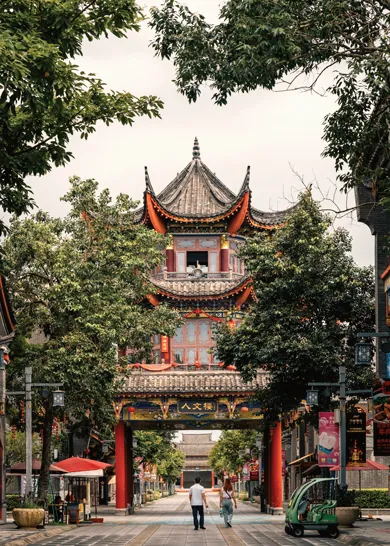
What makes it worth the detour
Viking first cruised in China on the Yangtze River in 2004, with accompanying pre- and post-cruise tours. The line's founder, Torstein Hagen, says Viking has since guided 180,000 travelers through the country. The Yi Dun is a joint venture between Viking and the state-owned China Merchants Group, which allows it to call on ports that are off-limits to Western cruise lines. It didn't take long to figure out that ni hao (hello) and xi xie (thank you) go a long way toward breaking the ice with Yi Dun 's nearly all-Chinese crew — as much as they had started to learn about Western language and culture, they were eager to share theirs. At lunch and dinner, the right side of the menu heralded a bounty of regional specialties — bring on the dim sum and kung pao shrimp — while the other half focused on Western cuisine such as turbot in a lemon and caper sauce, chicken Diane, and a daily carving station. (Happily, Viking's lauded Italian restaurant, Manfredi's, retained its satisfying menu of spaghetti carbonara and bistecca — I chose not to debate the origin of noodles with my waiters.) Braised pork belly was finished in soy sauce and rose liqueur; butternut squash soup arrived spiced with anise; and choy sum , a leafy green in the mustard family, came stir-fried with ginger, leeks, and bell peppers. Peking duck made an appearance one day, to my delight.
Viking regulars tend to be a well-traveled, context-hungry bunch. On shore excursions, guides layered on the history and culture, dispensing dates and sizes and numbers. It could be dry. But to varying degrees, local guides would sometimes veer from the script with surprisingly personal anecdotes. Over the course of nine days, these stories and other interactions built a more nuanced perspective of China today. Asked about how the one-child policy has evolved, our guide in Pingtan, Joanna Wang, shared that when her mother discovered she was pregnant with her second child, while the one-child rule was still in effect, her doctor reported it. "My mom told me they had to pay 4,000 yuan to have me. It took them a whole year to pay the money," Wang said. Putting a face to the dramatic societal change unfolding in China helps to go beyond the headlines. On the other hand, the excursion Wang escorts visits Haitan Ancient City, which is less ancient (and barely more authentic) than Epcot. At its core is a worthwhile museum on coastal defense, contrasting the might of French battleships against the Chinese fleet during the 1884-85 Tonkin War. Pingtan is mainland China's closest point to Taiwan, China — 68 nautical miles, a passage regularly plied by ferries despite current political tensions. "Pingtan is a window to let the Taiwanese see the mainland and how fast it's developing," Wang suggested. "We would like this place to be as beautiful as possible."
How the days fit together
In celebration of the Mid-Autumn Festival, women young and old wore floral headpieces and classical dress to pose for photographers amid Kaiyuan's gardens and stonework or under a giant banyan tree. Saffron-robed monks navigated the maze of pathways with purpose. But while Buddhism was Quanzhou's original religion, traders imported others. "Travelers left many cultures and religions along the Maritime Silk Road," Ke explained to us. "Hinduism, Taoism, Buddhism, Islam. Even the Americans and British brought their religion here — they built a church on Kulangsu Island." Nearby, we passed the eleventh-century Qingjing Mosque, one of China's oldest surviving mosques, and then arrived at the Taoist Guandi Temple, where sticks of burning incense issued clouds of smoke, obscuring the river of devotees clamoring to chant scriptures and make offerings to the deities. Most of the burning took place on a terrace in front of the temple, while inside, stand-alone towers ringed by video screens honored deceased loved ones. Using an app to transfer 28 yuan, Ke invited me to type in my name on the screen. In seconds, a pile of digital joss paper went up in flames and fireworks, with accompanying sound effects. I recalled my father, who passed away a dozen years ago, wishing him well in my thoughts. It was over in a flash. In China today, a dance of veneration and efficiency, celebrated with fireworks, seems appropriate. I chuckled with delight.
One last planning point for This Cruise Opens the Door to Some of: hotels in China are not interchangeable, even within the same district. A property near the right station or riverfront can remove two transfers a day. We work from verified rates and confirmed benefits, then place the stay where it shortens the route rather than simply where the photograph looks best.
Where to pause and eat
A note on pacing. This Cruise Opens the Door to Some of reads as a single idea, but on the ground it usually takes a slow half day plus the travel either side of it. We build China itineraries day by day, which means the transfer, the meal and the unplanned hour are all written into the plan before anyone reaches the airport. Send your dates and we will set the sequence around what is actually open that week.
If This Cruise Opens the Door to Some of is the reason you are coming, say so at the start. It changes the route: the city order, the number of nights in each place and whether a high-speed train or a private car makes more sense. Our day-by-day plans put the transport beside the activity, so the timing is resolved before the booking rather than improvised on arrival.
In pictures
Scenes from the story
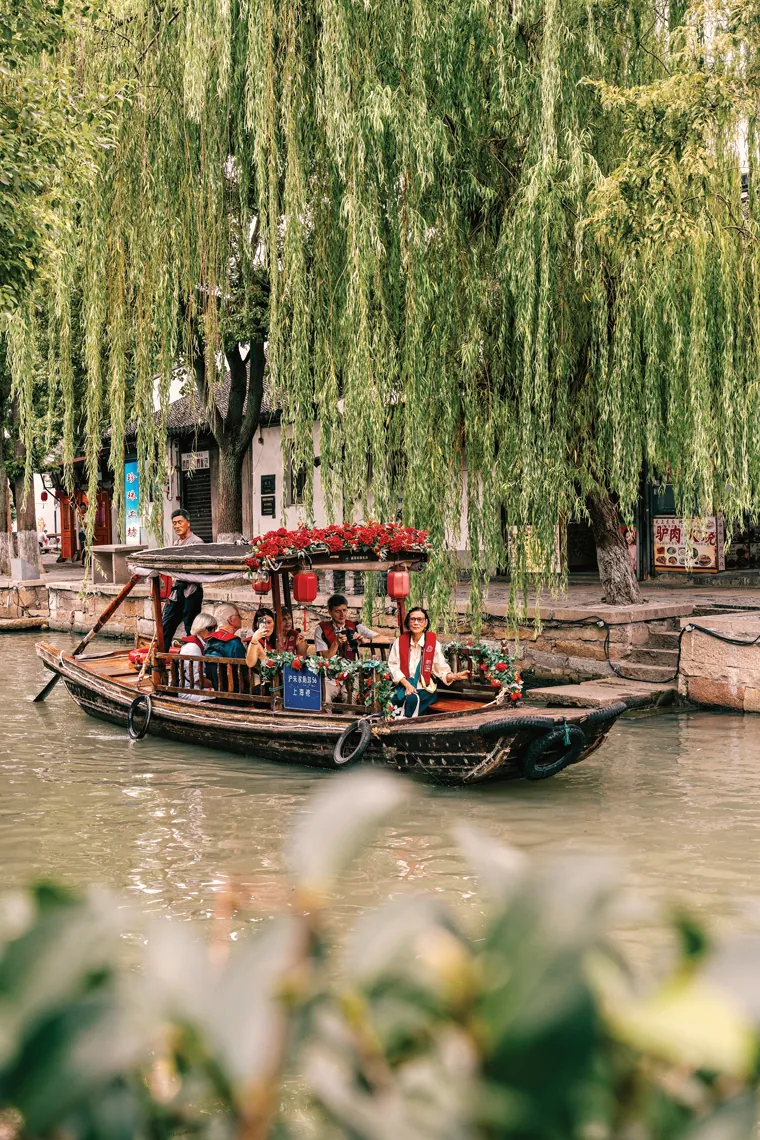
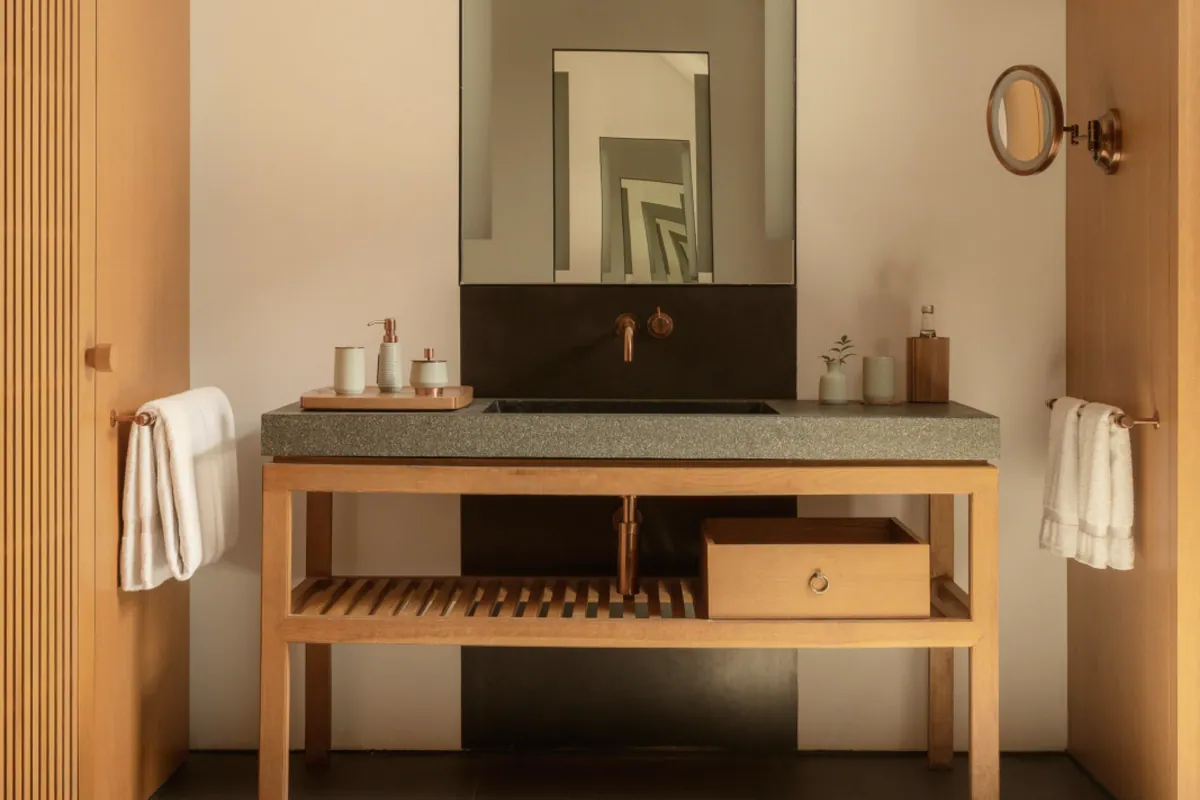
A visual companion to the notes above, kept in the same warm grade as the rest of the site.
Questions
Planning notes for This Cruise Opens the Door to Some of China’s Less-Visited Ports
Short answers to the practical questions that come up when this subject turns into a real itinerary.
When should I plan This Cruise Opens the Door to Some of into a China trip?
Send your dates; for This Cruise Opens the Door to Some of we sequence stops around autumn light, rail timetables and opening hours.
How many days does This Cruise Opens the Door to Some of need?
Usually one unhurried half day plus transfers. We write that into the day plan rather than stacking stops.
Can This Cruise Opens the Door to Some of be combined with other cities?
Yes. We pair it with a nearby hub on the same corridor so the route keeps a logical order.
Do you confirm hotels near This Cruise Opens the Door to Some of?
We work from verified rates and confirmed benefits, then place the stay where it shortens the daily transfers.
Keep planning
Where this fits in a China route
Related destinations, routes and reading, drawn from the site rather than from an external catalogue.
Plan the trip
We will put the days in order.
Send your dates and the places above that matter to you. The first plan comes back with timings, hotels and the transport already resolved.