
China focus
Why We Love The Peninsula Beijing
Why We Love The Peninsula Beijing — a China-focused city or travel guide. Read the notes, then place it in a day-by-day China route with the timing worked out.
A closer look
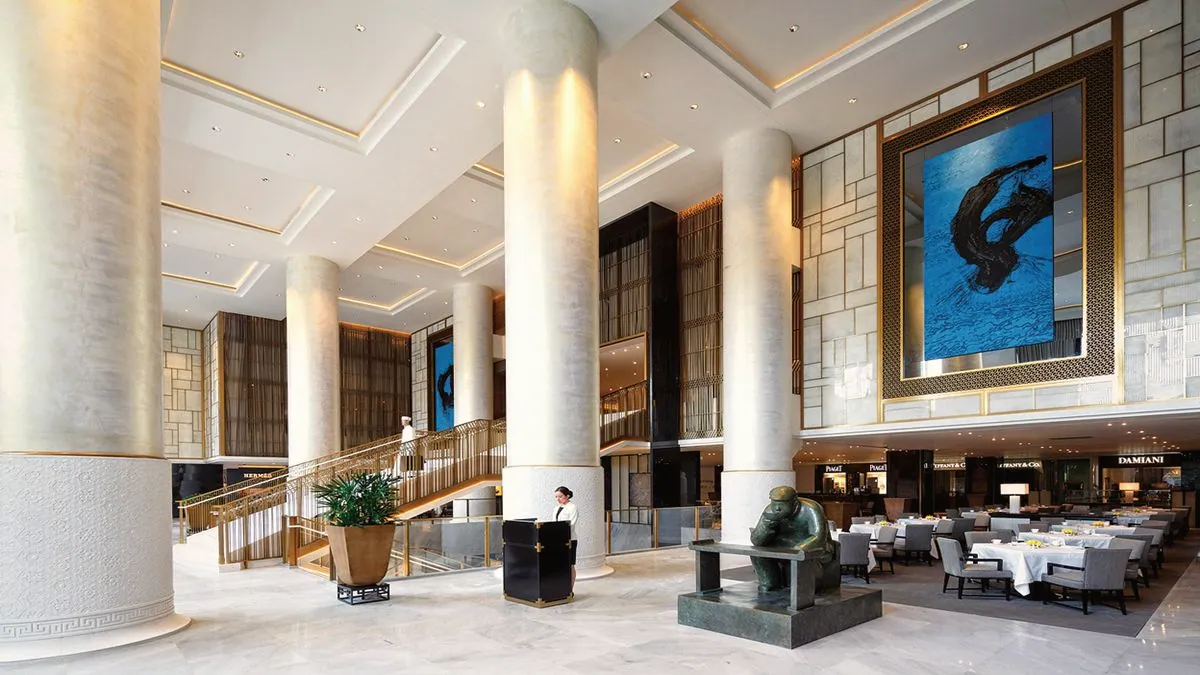
In China's capital city, fifteenth-century palaces stand beside modern skyscrapers, and a quick stroll separates high-end shopping malls from more traditional outlets. The 230-room Peninsula Beijing's recent three-year renovation emphasizes this juxtaposition with a mix of high-tech amenities and thoughtful elements honoring the city's imperial history. Hong Kong-based designer Henry Leung commissioned several artists for the $123 million overhaul, and the result is a soothing respite of traditional feng shui and contemporary appeal. Here are five things we love about The Peninsula Beijing:
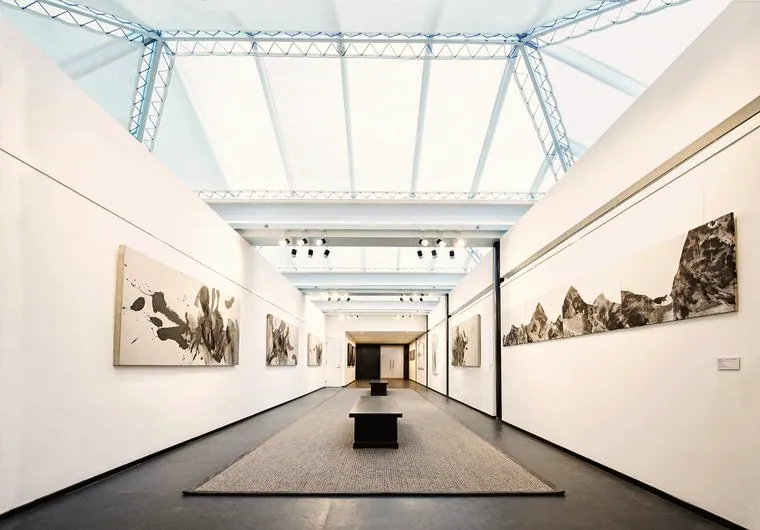
Art Everywhere. A soaring three-story lobby welcomes guests with ornate Palisandro marble work and abstract ink art. Beyond, dozens of contemporary sculptures, paintings, and photographs by acclaimed artists such as Zhang Du and Qin Feng are scattered throughout the property, and a new third-floor gallery displays rotating collections curated by Museum of Contemporary Art Beijing executive director Michael Suh. Local Promotion. The Peninsula hopes to foster new work, too: An artist-in-residence program provides a purpose-built studio for local artists, which guests are welcome to visit.
The detail that stays
Beijing's Biggest Rooms. The hotel decreased its room count from 525 to 230, allowing it to double the size of each. (Starting at 645 square feet, its guest rooms are now the largest in the city.) The subtle gray and cream palette complements Italian furnishings by Cassina, and the hotel's art theme continues within its rooms with paintings inspired by the Ming dynasty and framed architectural photos of the city's newest buildings. The 17 Beijing Suites include living areas and family-friendly cinema rooms with 80-inch televisions. Fresh Food. The farm-to-table concept is relatively new in China, so it's impressive that executive chef Dominique Martinez spent months sourcing the local fruit, vegetables, and meat used in the hotel's updated restaurants. Those ingredients shine at Huang Ting, which serves authentic Cantonese cuisine, and at Jing, which offers more European-influenced fare.
Traditional Touches. All of the classic Peninsula flourishes are here: smartly dressed doormen, afternoon tea accompanied by performing string musicians, and a fleet of limos at the ready. It's also one of the first hotels in China with 24-hour check-in and checkout.
Planning the visit
A note on pacing. Why We Love The Peninsula Beijing reads as a single idea, but on the ground it usually takes a slow half day plus the travel either side of it. We build China itineraries day by day, which means the transfer, the meal and the unplanned hour are all written into the plan before anyone reaches the airport. Send your dates and we will set the sequence around what is actually open that week.
If Why We Love The Peninsula Beijing is the reason you are coming, say so at the start. It changes the route: the city order, the number of nights in each place and whether a high-speed train or a private car makes more sense. Our day-by-day plans put the transport beside the activity, so the timing is resolved before the booking rather than improvised on arrival.
The setting
One last planning point for Why We Love The Peninsula Beijing: hotels in China are not interchangeable, even within the same district. A property near the right station or riverfront can remove two transfers a day. We work from verified rates and confirmed benefits, then place the stay where it shortens the route rather than simply where the photograph looks best.
The places around Why We Love The Peninsula Beijing tend to reward a second visit more than a longer first one. Rather than stacking four stops into a single day, we pair one anchor experience with a short walk or a sitting-down meal nearby. In winter light that also means working around the busiest arrival windows at stations and galleries, something a generic day plan rarely accounts for.
What makes it worth the detour
Photography is usually the part people underestimate with Why We Love The Peninsula Beijing. The useful hour is often early, before the tour groups, or late when the light drops behind the skyline. We note those windows in the itinerary and leave the middle of the day for the indoor stops, which keeps the pace comfortable in winter light without sacrificing the reason for the visit.
For travellers drawn to Why We Love The Peninsula Beijing, the practical question is how to fit it into a wider China route without losing the day to transfers. Our planners sequence each itinerary around rail timetables and opening hours, so a morning set aside for this subject can sit beside an afternoon in a second city on the same rail corridor rather than competing with it. The month matters as well: winter light changes both the light and the crowds, and we adjust the order of stops to match.
In pictures
Scenes from the story
A visual companion to the notes above, kept in the same warm grade as the rest of the site.
Questions
Planning notes for Why We Love The Peninsula Beijing
Short answers to the practical questions that come up when this subject turns into a real itinerary.
When should I plan Why We Love The Peninsula Beijing into a China trip?
Send your dates; for Why We Love The Peninsula Beijing we sequence stops around the shoulder months light, rail timetables and opening hours.
How many days does Why We Love The Peninsula Beijing need?
Usually one unhurried half day plus transfers. We write that into the day plan rather than stacking stops.
Can Why We Love The Peninsula Beijing be combined with other cities?
Yes. We pair it with a nearby hub on the same corridor so the route keeps a logical order.
Do you confirm hotels near Why We Love The Peninsula Beijing?
We work from verified rates and confirmed benefits, then place the stay where it shortens the daily transfers.
Keep planning
Where this fits in a China route
Related destinations, routes and reading, drawn from the site rather than from an external catalogue.
Plan the trip
We will put the days in order.
Send your dates and the places above that matter to you. The first plan comes back with timings, hotels and the transport already resolved.